
1- Winter health advice
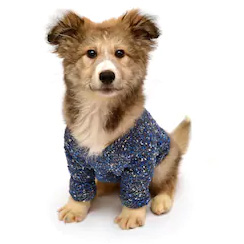
Don’t walk your dog on ice as just like us they can slip and injure themselves. Even more important is to make sure they don’t run onto frozen lakes or canals, as they could fall into icy water if the ice is too thin.
Grit and salt on your dog’s paws can make them sore, so it is important to wash it off. It can also make them poorly if they lick it off, so always rinse your pup’s paws after walks.
Take care in snow, your dog might see it as a novelty but dangerous objects or chemicals may be hidden underneath – also eating snow can cause stomach upset and even hypothermia.
2- Chocolate Poisoning in Pets
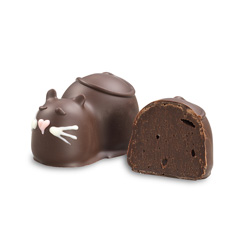
Many of us love the taste of chocolate, and it can be found in households year round. Availability also ramps up at special times of the year, including Valentine’s Day, Easter and Christmas, as we indulge in treats and exchange gifts. Chocolate poisoning in pets is a common issue, especially around these times.
An abundance of chocolate can be great for us, but can be a nightmare for dogs, cats and rabbits. Dogs especially are likely to want to try any food lying around, and the sweet taste of chocolate means that if they have the opportunity they may eat chocolate in a large quantity. Other pets are often fussier and may be less likely to want to eat chocolate, but it can happen and they suffer from the same range of serious effects as dogs do. In fact, cats are actually more susceptible to the effects of chocolate poisoning than dogs!

3-Dental care for cats, dogs
Don’t walk your dog on ice as just like us they can slip and injure themselves. Even more important is to make sure they don’t run onto frozen lakes or canals, as they could fall into icy water if the ice is too thin.
Grit and salt on your dog’s paws can make them sore, so it is important to wash it off. It can also make them poorly if they lick it off, so always rinse your pup’s paws after walks.
Take care in snow, your dog might see it as a novelty but dangerous objects or chemicals may be hidden underneath – also eating snow can cause stomach upset and even hypothermia.
4- What exactly is a microchip?
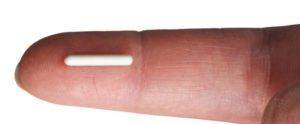
A microchip is a very small electronic device, about the same size as a grain of rice, which is implanted under your pet’s skin.
Every chip has a unique 15-digit number stored within it, and is encased in a protective shell made of glass or biopolymer. This casing helps to prevent the microchip from causing a reaction or moving around, which can make it difficult to read – it also helps with longevity as your pet’s microchip is designed to last a lifetime.
Microchip numbers are read by a handheld scanner. The unique number is linked to your personal details, so that when your pet is scanned, you can be contacted and reunited with your pet as quickly as possible!